

Apple Scales Back Vision Pro Production and Marketing After Slow Sales
Apple is reportedly pulling back on both manufacturing and marketing for the Apple Vision Pro, following weaker-than-expected consumer demand. According to a new report from the Financial Times, Apple’s manufacturing partner Luxshare halted production of the headset at the beginning of last year.
Industry data suggests that while Vision Pro launched with strong curiosity, momentum slowed quickly once it reached the market.
Sales Fell Sharply After Launch Year
That decline has been mirrored in Apple’s marketing strategy.
Marketing Spend Cut by More Than 95 Percent
According to data from Sensor Tower, Apple has reduced digital advertising spend for Vision Pro by over 95 percent year-to-date in major markets like the United States and the United Kingdom.
This suggests Apple is no longer pushing the headset as a mainstream product, instead allowing it to remain a niche offering for early adopters and specialized users.
Why Vision Pro Struggled to Break Through
Analysts point to several factors behind the slowdown:
- The $3,499 starting price
- A bulky and heavy design
- A limited selection of must-have apps
Apple attempted to address some of these concerns in October by releasing an updated Vision Pro featuring the M5 chip and a redesigned Dual Knit Band aimed at improving comfort. Despite those changes, the headset has not gained widespread traction.
Even now, Vision Pro sales remain tiny compared to the millions of iPhones, Macs, and iPads Apple sells every quarter.
Was Vision Pro Ever Meant to Be Mainstream?
Some observers argue that shipment numbers alone don’t tell the full story. At $3,499 per unit, even relatively modest sales still translate into substantial revenue. Apple has also consistently framed Vision Pro as an early-adopter and developer-focused product, rather than a mass-market device.
Apple has never publicly shared its internal success metrics for Vision Pro, making it difficult to determine whether current sales truly fall short of expectations—or align with Apple’s long-term strategy.
What Comes Next for Apple’s Headset Plans
The report notes that a lower-cost Vision headset is still theoretically in development, though Apple’s priorities may be shifting. Recent reports suggest Apple may have shelved the cheaper model to focus resources on smart glasses, which could offer a more practical path toward mainstream adoption.
Meanwhile, Apple has continued adjusting its supply chain. Manufacturing for the current Vision Pro model has reportedly moved from China to Vietnam, signaling ongoing operational changes rather than a full exit from the category.
Apps Exist—But Many Aren’t Consumer-Focused
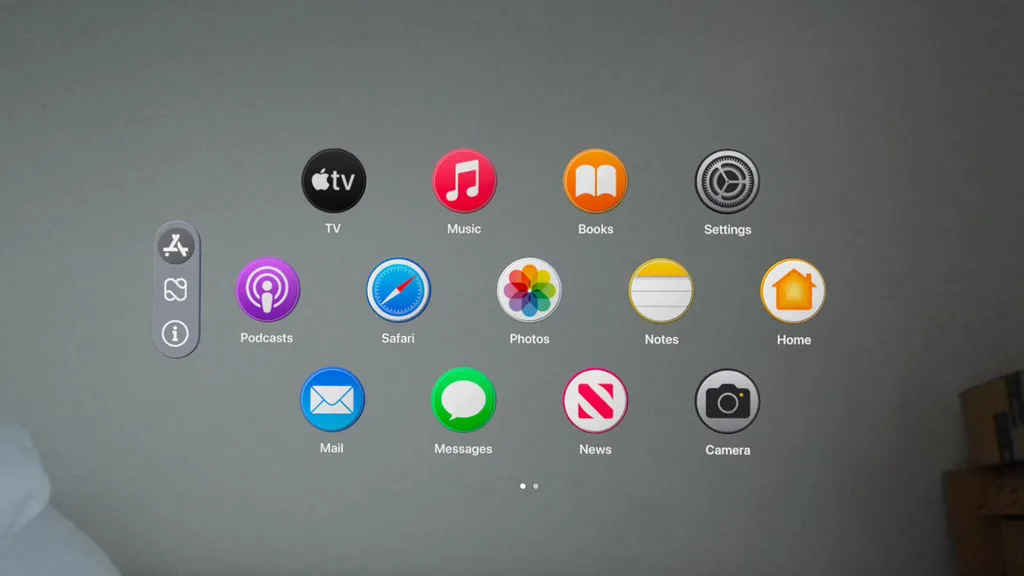
Apple currently lists about 3,000 apps built specifically for visionOS. However, data from Appfigures suggests a meaningful portion of those apps are designed for enterprise and professional use, such as:
- Surgical planning
- Medical training
- Pilot and aviation simulations
This reinforces the idea that Vision Pro’s strongest use cases may lie outside everyday consumer entertainment.
A Strategic Pause, Not an Exit
Taken together, the production cuts, reduced marketing, and shifting roadmap suggest Apple is reassessing how—and when—it wants spatial computing to go mainstream. Vision Pro may not be a breakout hit today, but it could still serve as a critical foundation for Apple’s future in wearables and mixed reality.
For now, Vision Pro appears to be exactly what Apple originally positioned it as: a glimpse into what’s coming next, not a product meant for everyone—yet.