

Apple’s Foldable iPhone May Use Advanced Titanium and Liquid Metal to Cut Weight
Apple’s first foldable iPhone is shaping up to be as much a materials breakthrough as it is a design one. New supply chain details suggest Apple is turning to advanced metallurgy—specifically upgraded titanium and liquid metal alloys—to keep the device strong and durable without making it uncomfortably heavy.
Weight has been one of the biggest challenges for foldable phones, and Apple appears to be tackling it head-on.
A Liquid Metal Hinge for Strength and Durability
According to a post from leaker yeux1122 on Naver, Apple’s suppliers are preparing specialized alloys specifically for the foldable iPhone project.
The hinge mechanism is reportedly being built from liquid metal, an improved version of the metallic glass material Apple already uses in small components like iPhone SIM trays. Liquid metal is known for its high strength, resistance to wear, and ability to hold precise shapes—key qualities for a hinge that must survive thousands of folds.
Using liquid metal also allows Apple to keep the hinge compact, helping preserve internal space for other components.


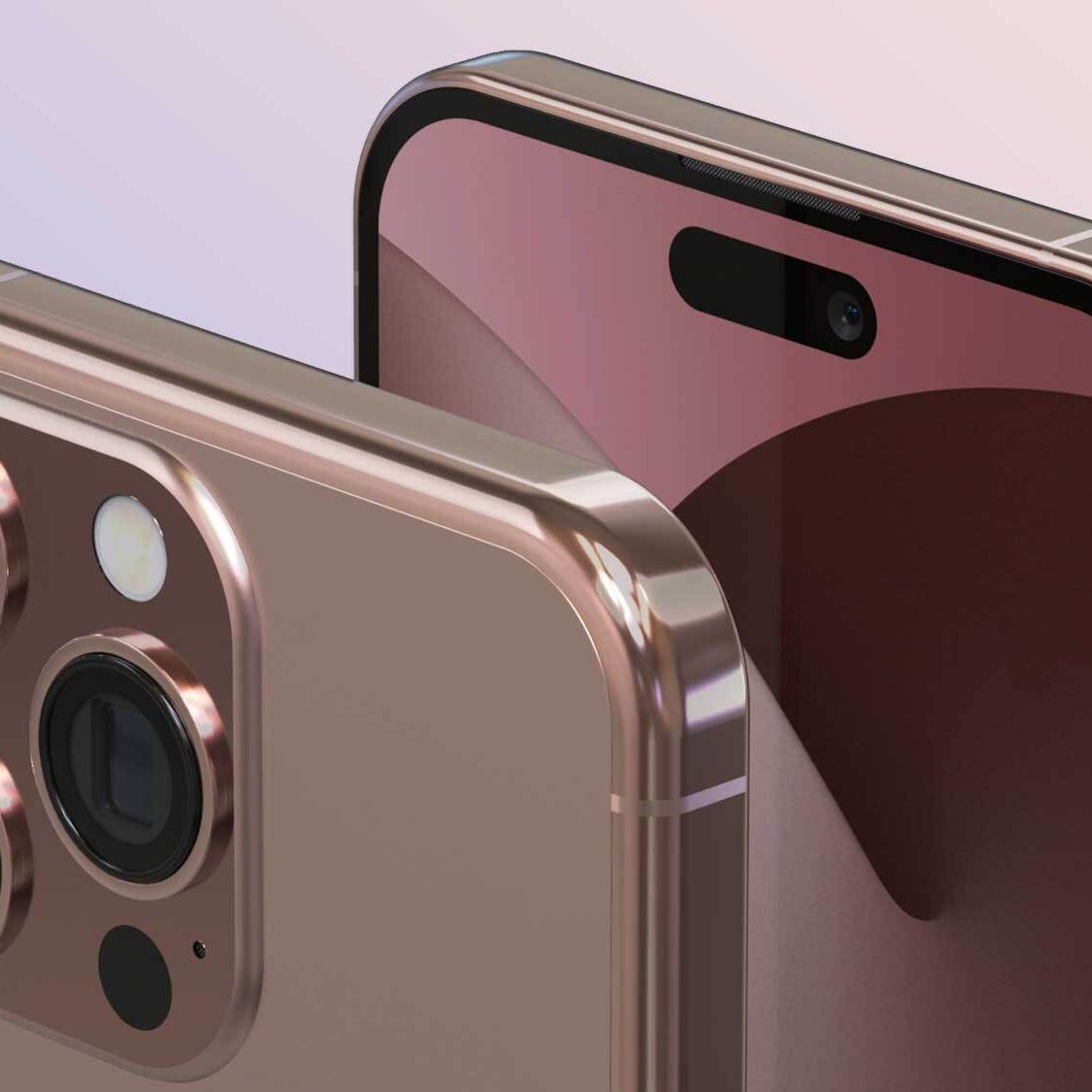
Source: iClarified
A Lighter, Stronger Titanium Frame
The foldable iPhone’s chassis is expected to continue using titanium, but not the same alloy found in today’s Pro models. The leak claims Apple is adopting an improved titanium formulation, with adjustments to composition and processing that increase strength while reducing weight per unit area.
This matters more for a foldable than a traditional phone. With two displays and a complex hinge assembly, foldables naturally carry more mass. Reducing frame weight helps keep the overall device comfortable to hold and use.
Balancing Thinness, Battery, and Weight
Shaving off grams fits with earlier reports describing Apple’s foldable as a “super thin” design achievement. That goal comes with a tough tradeoff: Apple still needs to fit a battery capable of powering two screens.
Recent rumors suggest Apple is testing a 5,800mAh battery, which would be large by iPhone standards. Cutting weight in the frame and hinge would help offset the added mass of a bigger battery and dual displays.
The use of liquid metal also lines up with older whispers about Apple developing a metallic glass hinge designed for long-term durability.
More Than Just Materials
Beyond metals, Apple is reportedly focused on solving other common foldable pain points. The company is said to be working on a visually crease-free display using new glass technology, aiming to eliminate the visible seam seen on most foldables today.
Other rumored features include:
- A boxier 4:3 aspect ratio
- Side-mounted Touch ID to keep bezels thin
- An overall emphasis on slimness and balance
A Late 2026 Launch Still Expected
Apple’s foldable iPhone is currently expected to arrive in late 2026, as part of a broader hardware roadmap refresh. While many details remain in flux, the focus on advanced materials suggests Apple is serious about avoiding the compromises that have held back earlier foldables.
If these rumors hold, Apple’s first foldable won’t just bend—it may redefine how premium smartphones are built.