

Apple’s 2nm A20 Chip Could Be the Most Expensive Mobile Processor Ever
Apple is reportedly preparing to take a costly leap forward with its next-generation silicon. According to a new supply chain report, the company will rely exclusively on TSMC to manufacture its upcoming 2-nanometer A20 chip, expected to power the iPhone 18 Pro lineup. While this keeps Apple at the cutting edge of performance, it also comes with a dramatic increase in cost.
The A20 processor could reportedly cost Apple around $280 per chip, marking an 80 percent jump over the current generation and earning the label of what may become the most expensive mobile chip ever produced.
Why the A20 Chip Is So Expensive
According to Economic Daily News, the sharp price increase aligns with long-standing expectations that TSMC would raise prices on its most advanced manufacturing nodes. Cutting-edge processes require massive investments in equipment, materials, and research, and those costs are increasingly being passed on to customers.
TSMC officially began mass production of its 2nm (N2) process in the fourth quarter of 2025 and is already moving ahead with an improved N2P variant, which promises better power efficiency and higher performance. Production for N2P is expected to ramp up in the second half of 2026.
For Apple, using TSMC’s most advanced node ensures industry-leading performance and efficiency—but at a steep premium.
TSMC Is Cornering the 2nm Market

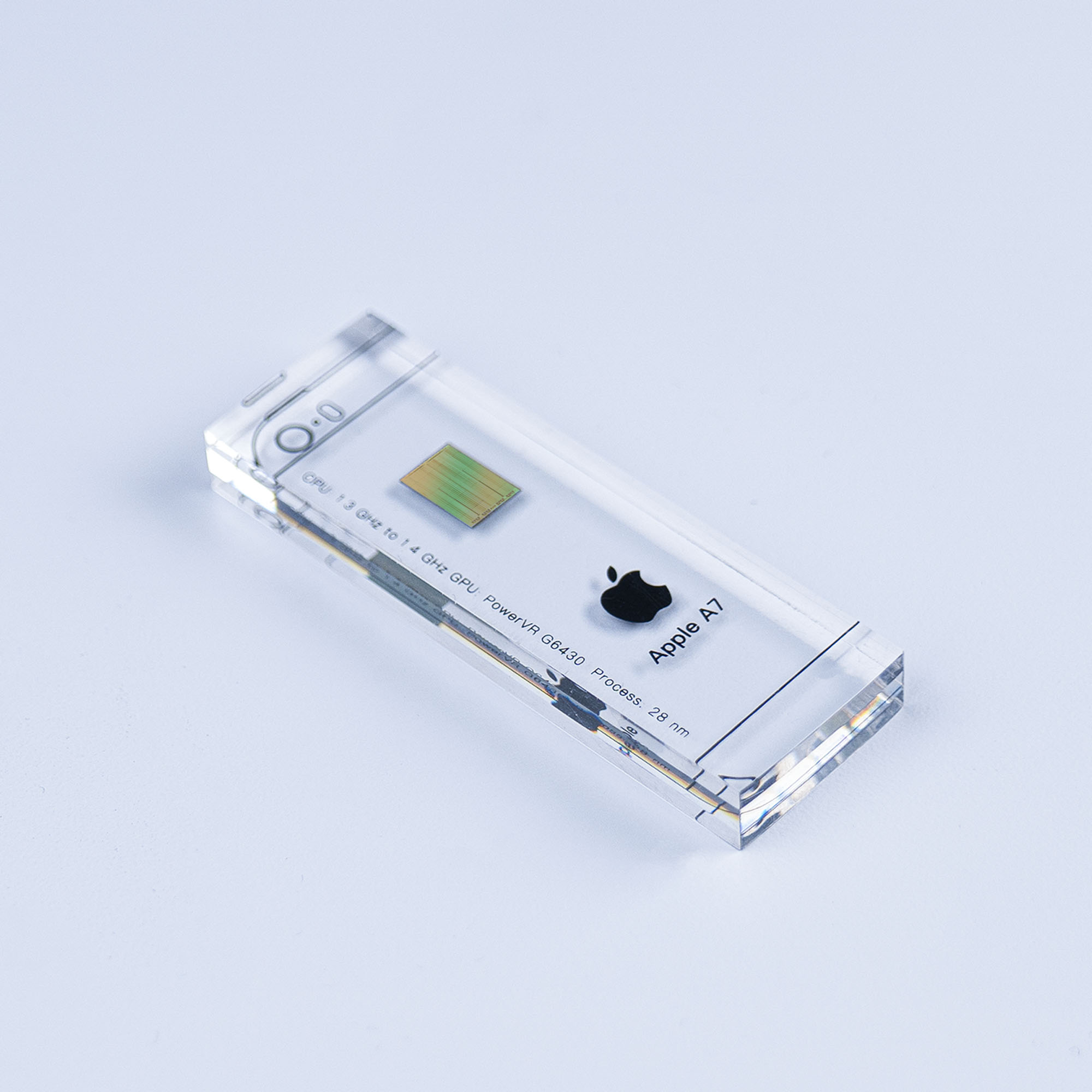

With Apple, Qualcomm, and MediaTek all lining up, TSMC is effectively locking down the 2nm market for mobile processors—leaving competitors with limited alternatives.
Samsung Has 2nm Chips—But a Different Strategy
Samsung has also entered the 2nm race with its newly announced Exynos 2600, built using Gate-All-Around (GAA) architecture and aimed at improving generative AI performance.
However, reports suggest Samsung is more likely to keep this chip within its own Galaxy lineup rather than compete directly with TSMC for external foundry customers. That makes TSMC the clear leader for companies looking to build cutting-edge mobile silicon at scale.
What This Means for iPhone Prices
The surge in chip costs comes at a difficult time for smartphone makers. Analysts have already warned that memory prices are rising, and when combined with more expensive processors, the total bill of materials for flagship phones is climbing quickly.
For consumers, this likely means:
- Higher flagship smartphone prices
- Smaller storage or feature upgrades at the base level
- Slower global shipment growth in 2026
Apple may absorb some of the cost, but historically, increases of this magnitude tend to trickle down to retail pricing—especially for Pro models.
The Price of Staying Ahead
Apple’s A-series chips have long been a major competitive advantage, and the A20 looks set to continue that tradition. But as chip manufacturing pushes into more advanced territory, the cost of staying ahead is rising sharply.
With Apple, Qualcomm, and MediaTek all betting on TSMC’s 2nm process, the next generation of smartphones may deliver impressive gains—but at a price that’s increasingly hard to ignore.