

Apple Plans to Keep iPhone 18 Prices Steady Despite Rising Component Costs
Apple is facing rising component costs across its supply chain, but consumers may be spared the impact—at least for now. According to analyst Ming-Chi Kuo of TF International Securities, Apple plans to hold the starting prices of the iPhone 18 lineup steady, despite mounting pressure from higher memory and silicon costs.
The strategy suggests Apple is prioritizing market share and long-term ecosystem growth over short-term hardware margins.
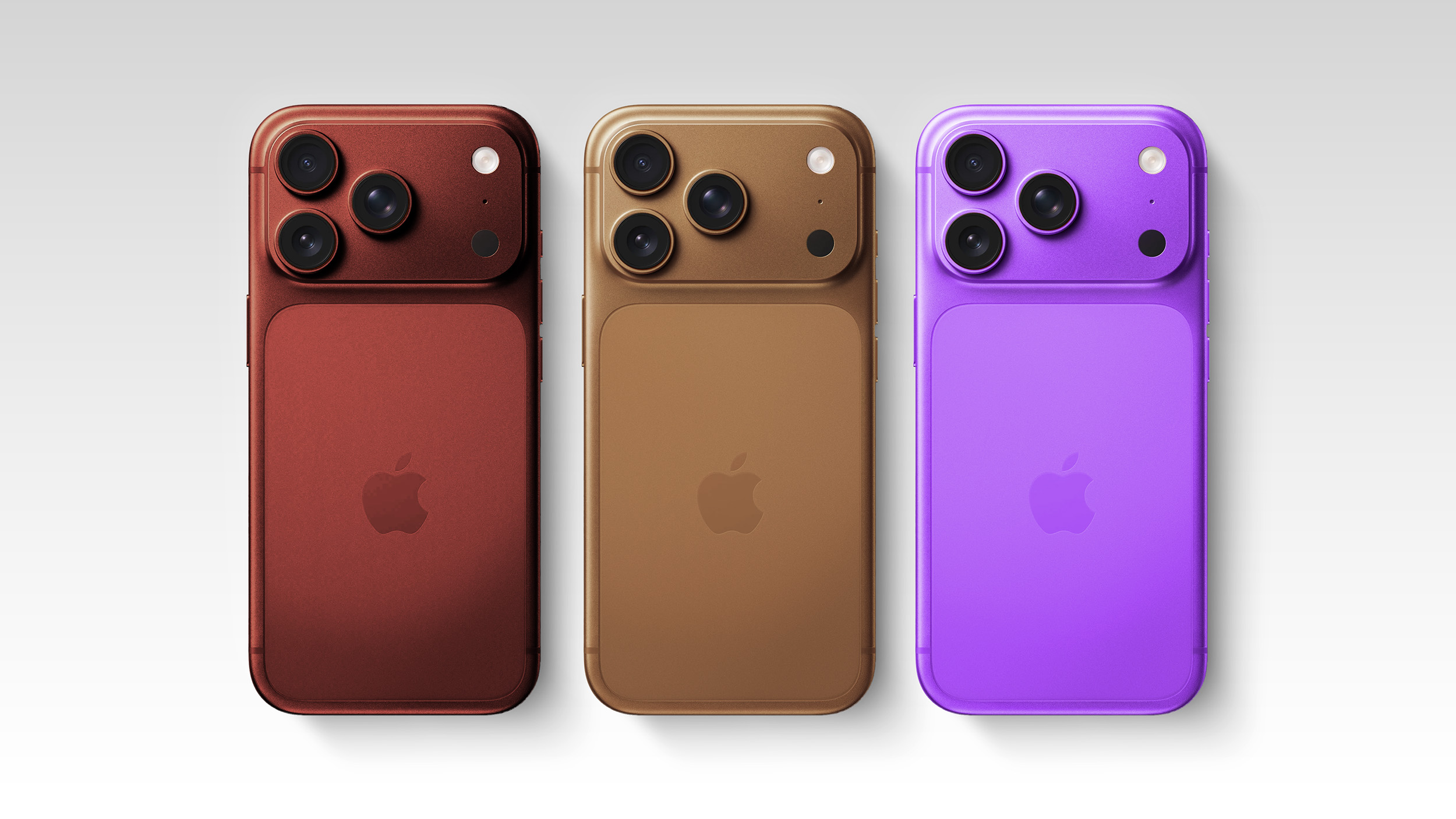


Memory Prices Are Rising—but Not Unexpectedly
Kuo reports that LPDDR memory prices increased in Q1 2026 largely in line with expectations, while NAND flash price hikes were more moderate. Even so, Apple is clearly bracing for further volatility.
To stay flexible, Apple has reportedly shifted its memory procurement strategy from six-month pricing agreements to quarterly negotiations. That move signals Apple expects another round of increases in the second quarter, driven by industry-wide demand—especially from AI servers, which are consuming massive amounts of memory and tightening supply.
Apple’s Scale Still Offers an Advantage
While component prices are rising across the board, Apple’s sheer scale gives it leverage that many competitors lack. Kuo notes that non-AI hardware brands are increasingly struggling to secure enough memory, even when budgets allow.
Apple, by contrast, can still lock in supply—but at higher cost.
Those increased expenses are expected to compress iPhone gross margins, a tradeoff Apple appears willing to accept. The company’s high-margin Services business—which includes the App Store, subscriptions, and Apple Pay—is positioned to help offset weaker margins on hardware over time.
More Than Memory Is Under Pressure
Memory isn’t the only cost headwind. Kuo notes that the AI server boom is tightening availability across other parts of the supply chain, including specialized materials like T-glass, which are used in advanced electronics manufacturing.
On top of that, the iPhone 18 lineup is expected to feature Apple’s 2-nanometer A20 processor, a chip that comes with a significantly higher price tag due to its cutting-edge manufacturing process.
Together, these factors point to a rising bill of materials for Apple’s next-generation phones.
Why Apple Is Holding the Line on Pricing
Despite these pressures, Kuo says Apple’s plan for the second half of 2026 is to keep iPhone 18 pricing unchanged. The rationale appears to be strategic:
- Preserve competitiveness in a crowded premium smartphone market
- Avoid slowing upgrade cycles with higher entry prices
- Rely on services revenue to balance thinner hardware margins
Investors are expected to look for more detail on these cost dynamics during Apple’s upcoming earnings call later this week.
A Calculated Tradeoff
Apple has raised iPhone prices before when costs demanded it—but this time, the company seems willing to absorb the hit. With global competition intensifying and AI-driven hardware becoming more expensive to build, Apple’s decision reflects confidence in its broader ecosystem rather than any single product line.
If the plan holds, consumers could see unchanged iPhone prices in 2026, even as the technology inside becomes significantly more expensive to produce.