

Apple Loses Key Siri Executive and AI Talent as Internal Pressure Mounts
Apple is facing growing turbulence inside its artificial intelligence division, just as it prepares to roll out its most important Siri upgrades in years. A new report indicates that multiple high-profile departures—including a senior Siri executive—are accelerating concerns about Apple’s AI strategy at a critical moment.
According to Bloomberg, Stuart Bowers, a vice president who played a central role in Siri’s modernization efforts, has left Apple to join Google DeepMind.
More AI Researchers Exit Apple
Bowers’ departure is part of a broader wave of exits from Apple’s Foundation Models team, the group responsible for building the technology behind Apple Intelligence.
Bloomberg reports that at least four researchers have left in recent weeks:
- Haoxuan You → Joined Meta
- Bailin Wang → Joined Meta
- Zirui Wang → Joined Google DeepMind
- Yinfei Yang → Left to found a startup
The departures highlight mounting pressure within Apple’s AI organization, which has faced repeated product delays and growing scrutiny both internally and from investors.
Tension Over Apple’s AI Strategy
Sources suggest the talent drain is closely tied to internal disagreement over Apple’s direction. Earlier this year, Apple confirmed a multi-year partnership with Google to use Gemini models as the backbone for upcoming AI features.
During Apple’s most recent earnings call, CEO Tim Cook defended the decision, calling Google’s technology the “most capable foundation.” However, Bloomberg reports that the move frustrated some engineers who wanted Apple to build and own its core AI models internally rather than rely on an external partner.
That frustration appears to have contributed directly to the recent departures.
A Risky Moment for Siri’s Biggest Overhaul Yet
The exits come at a particularly sensitive time. Apple is in the middle of developing two major Siri upgrades:
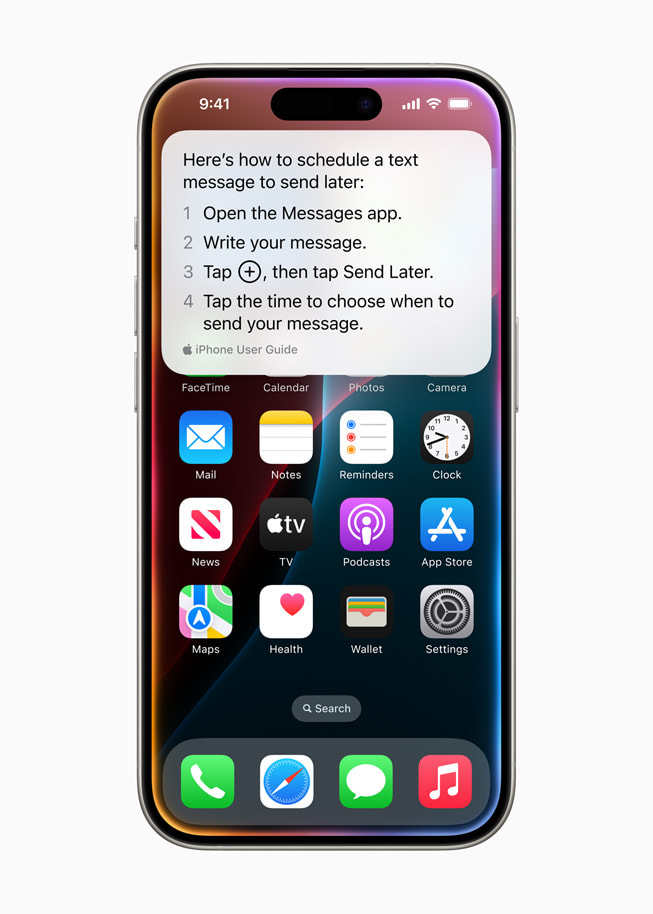
- A near-term update arriving this spring, focused on improved personal context and on-screen awareness
- A larger chatbot-style overhaul later this year, designed to compete more directly with services like OpenAI’s ChatGPT
Both initiatives are now expected to rely heavily on infrastructure supported by Google’s models, underscoring how far Apple’s internal AI efforts had fallen behind schedule.
Leadership Changes and Ongoing Flux
Apple’s AI organization has been unsettled for over a year. The company replaced longtime AI chief John Giannandrea, transferring oversight to software engineering head Craig Federighi.
To help stabilize the group, Apple also hired Amar Subramanya, a former Google and Microsoft executive. Even so, questions remain about Apple’s ability to retain top AI talent as competition intensifies.
This uncertainty stands in sharp contrast to Apple’s hardware success. The company reported $85 billion in iPhone revenue last quarter alone, yet concerns about its lack of homegrown AI breakthroughs continue to linger.
A Complicated Relationship With Google
Bowers’ move is particularly symbolic. Before working on Siri, he held a senior role on Apple’s now-canceled self-driving car project, later shifting to help fix Siri’s long-standing issues. His decision to join Google DeepMind—an organization now helping power Apple’s next wave of AI features—highlights the increasingly complex and uncomfortable relationship between the two companies.
Apple remains one of the most profitable companies in the world, but as AI becomes central to modern computing platforms, retaining top talent may prove just as important as selling hardware.
For Apple, the next year will reveal whether its reliance on external AI partners is a temporary bridge—or a sign of a deeper strategic shift.