

Apple Is Planning a Major Mac Overhaul in 2026
Apple is gearing up for one of its busiest Mac years in a long time. According to Bloomberg reporter Mark Gurman, 2026 will bring a mix of long-overdue refreshes, routine spec bumps, and at least one entirely new Mac aimed at a different audience than Apple usually targets.
The updates are expected to roll out gradually throughout the year, rather than in one big launch.
Early 2026: M5 Spreads Across the Mac Lineup

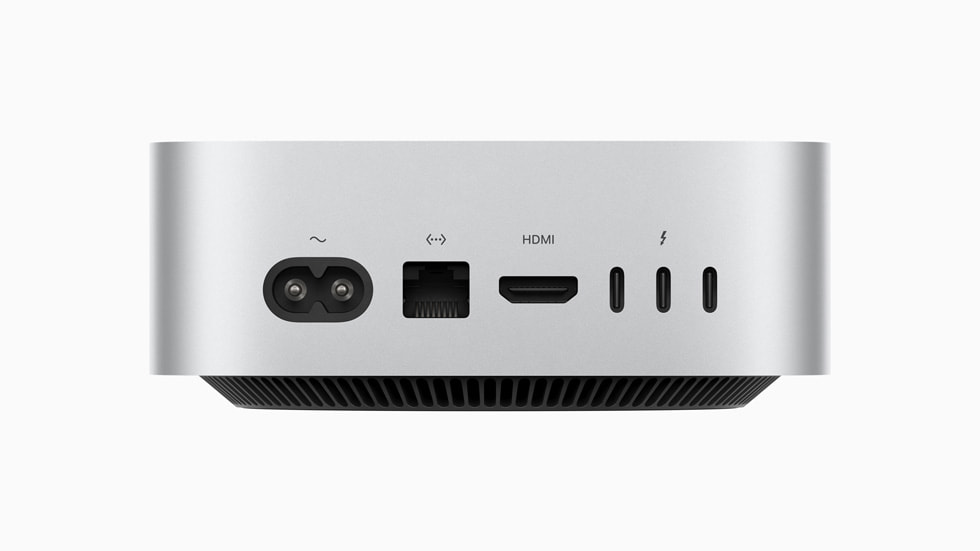
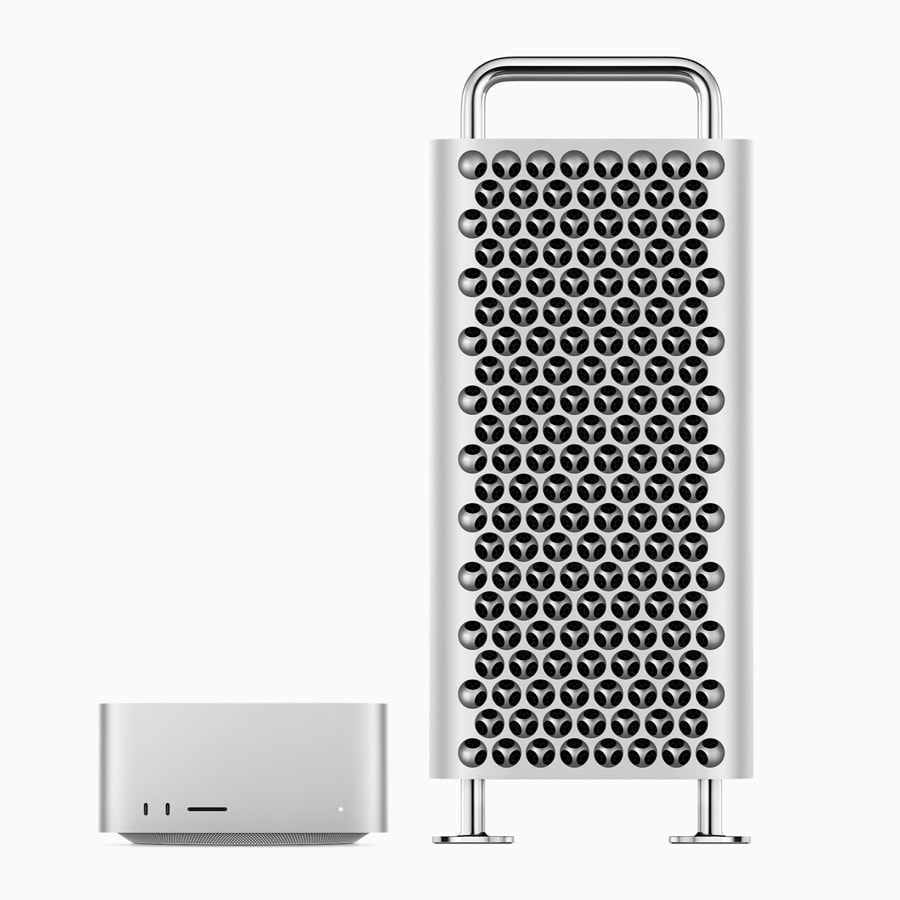
- MacBook Pro (with M5 Pro and M5 Max)
- MacBook Air
- Mac mini
- Mac Studio
These updates are expected to be straightforward spec refreshes rather than redesigns, bringing performance and efficiency improvements without major changes to the enclosures.
Apple Studio Display Finally Gets Attention
One of the more welcome surprises is the return of the Apple Studio Display, which Gurman says is finally due for an update in early 2026.
Apple hasn’t refreshed the display in years, and it has been widely criticized for lagging behind competitors. While Gurman didn’t share exact specs, earlier reports suggest the next model could include:
- ProMotion for higher refresh rates
- HDR support
- A newer A-series chip for improved onboard processing
If true, this would address many of the complaints surrounding the current 60Hz panel.
Late 2026: A Redesigned MacBook Pro With OLED and Touch

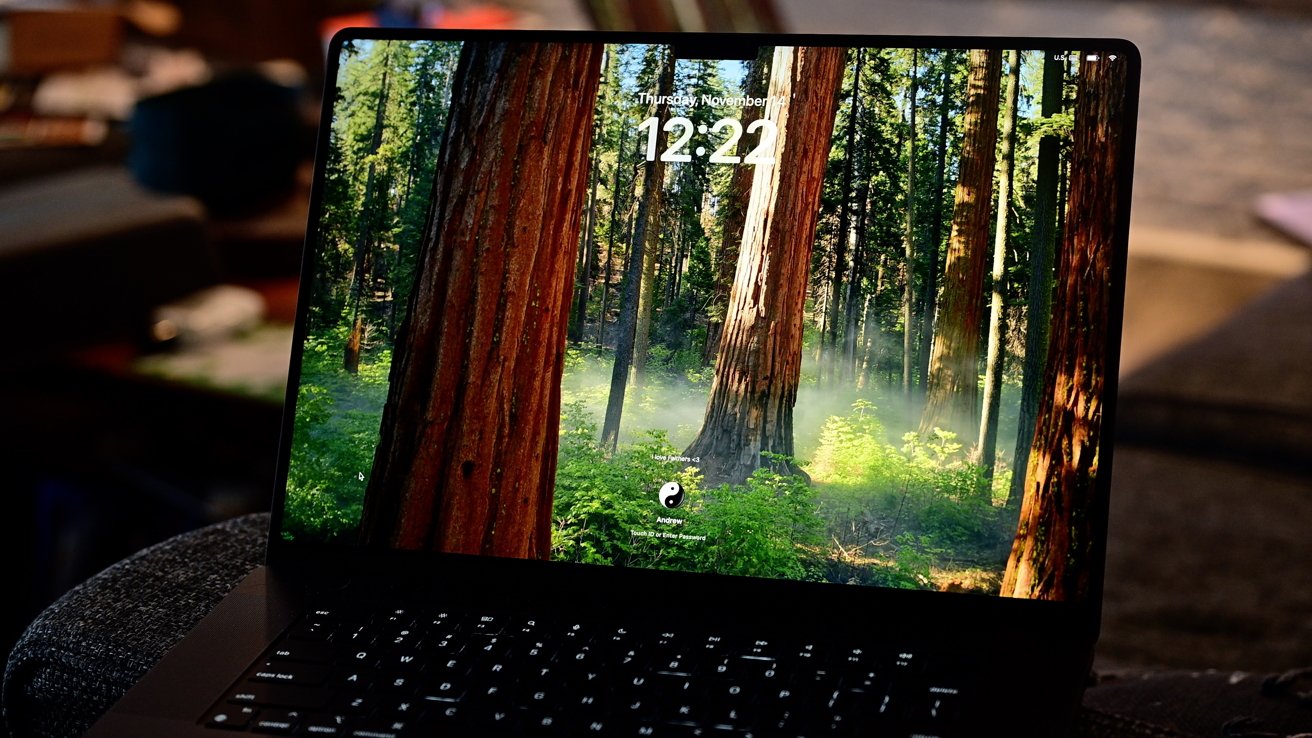
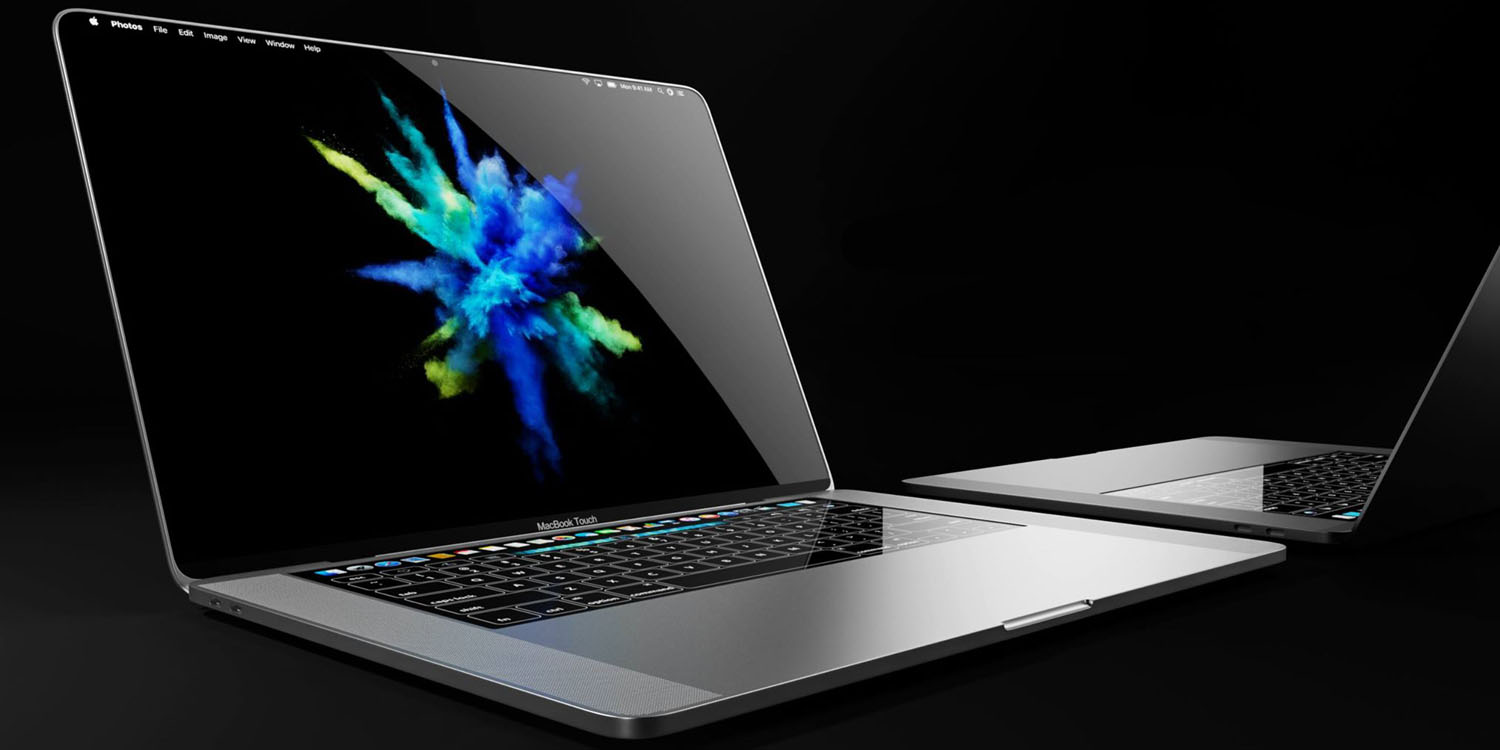
The biggest changes are expected in the second half of 2026. Gurman reiterates that Apple is working on a fully redesigned MacBook Pro featuring:
- An OLED display
- Touch input, a major shift for Apple
- A thinner design
- Possibly replacing the notch with a hole-punch camera
If this ships as described, it would mark the most significant MacBook Pro redesign in years and a clear change in Apple’s long-standing resistance to touchscreen Macs.
A New Low-Cost MacBook to Compete With Chromebooks
Apple is also reportedly close to finalizing a new low-cost MacBook, aimed primarily at education and enterprise customers.
Unlike the rest of the lineup, this device would use an iPhone-class chip instead of an M-series processor. The goal is to better compete with Chromebooks, a market Apple has historically addressed through the iPad rather than the Mac.
Earlier leaks identified the project as code-named J700, and Gurman notes that it would sit alongside the MacBook Air—not replace it.
Apple’s Chip Roadmap May Be Accelerating
Finally, Gurman suggests Apple’s silicon cadence may be speeding up. The M5 debuted only months ago in the iPad Pro, yet he believes the M6 could arrive sooner than expected.
He points to the unusually short gap between the M3 and M4 generations as evidence that Apple is willing to tighten its release schedule, especially as competition from Qualcomm and Intel intensifies.
A Defining Year for the Mac
Taken together, Apple’s 2026 plans suggest a Mac lineup in transition:
- Short-term performance upgrades
- Long-overdue peripheral refreshes
- A bold MacBook Pro redesign
- A new entry-level laptop category
If these reports hold, 2026 could be one of the most consequential years for the Mac since Apple’s original transition to Apple silicon.