

Apple Is Exploring an ‘iPhone Flip’ After Its First Foldable Launches
Share
Apple hasn’t even unveiled its first foldable iPhone yet—but internally, the company is already thinking about what comes next. According to Bloomberg reporter Mark Gurman, Apple is actively exploring a second foldable form factor: a clamshell-style “iPhone Flip,” similar in concept to Samsung’s Galaxy Z Flip.
The idea signals that Apple may be treating foldables as a long-term product category, not a single experimental device.


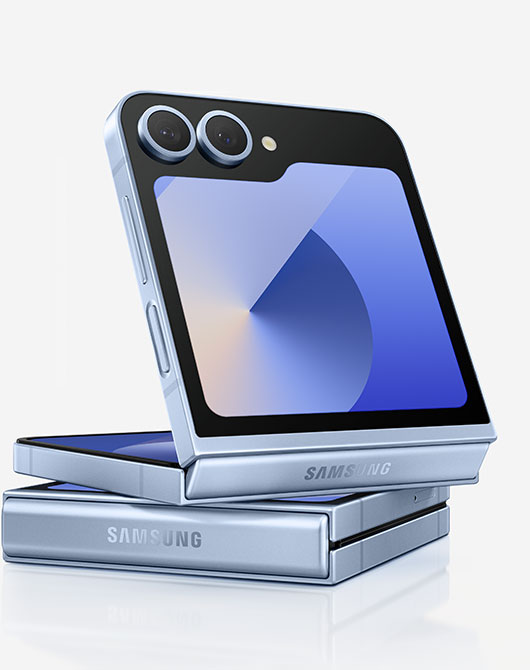
A Pocketable Flip Phone Concept
In the latest Power On newsletter, Gurman says the clamshell iPhone is currently in the conceptual stage. The goal would be to create a compact, square device that fits easily in a pocket, then unfolds into a standard iPhone-sized screen.
This design would stand in clear contrast to Apple’s first foldable iPhone, which is expected to use a book-style form factor that opens into a tablet-like workspace.
Gurman cautions that the flip model is “far from guaranteed” to ever ship. Still, its presence inside Apple’s labs suggests the company is thinking beyond a single, ultra-premium foldable.
Fits a Longer-Term Roadmap
The report lines up with a three-year roadmap leak from last year, which claimed Apple was planning:
- A large, book-style foldable iPhone in 2026
- A radically redesigned, bezel-less iPhone in 2027
- A clamshell foldable iPhone in 2028
If accurate, Apple would be taking a staged approach—introducing foldables at the very top of the lineup before gradually expanding the concept into more approachable designs.
First Foldable Is the Priority
For now, Apple’s focus is firmly on its first foldable iPhone, expected to launch in late 2026. Gurman describes the device as a halo product—a hyper-premium model designed to showcase Apple’s engineering and elevate the entire brand.
He compares the strategy to the launch of the iPhone X, which introduced cutting-edge technology at a high price point and reshaped expectations across the lineup.
The device is rumored to feature:
- A ~5.5-inch external display
- A larger internal screen that opens into a tablet-like layout
- A price that could exceed $2,000
Apple’s Obsession With Thinness and Durability
To justify that price, Apple is reportedly attacking the biggest weaknesses of early foldables.
Supply chain reports suggest Apple has developed:
- A visually crease-free display using complex lamination techniques
- A metallic glass hinge designed to stay smooth after repeated folding
The company is also pushing aggressively on thinness. Prototypes have been described as a “super thin” design achievement, with some rumors suggesting Apple may drop Face ID in favor of side-mounted Touch ID to save internal space.
Battery life remains another challenge. Apple is reportedly testing 5,800mAh batteries to ensure the device can power two displays without compromising all-day use.
Other Foldable Projects Take a Back Seat
Interestingly, Gurman notes that Apple’s foldable ambitions appear to have come at the expense of other projects. Plans for a giant foldable iPad, previously rumored to measure 18 to 20 inches, have reportedly hit serious development hurdles.
Apple seems to have decided that if it’s going to bet big on hinge-based hardware, the iPhone is the safer place to start.
What Comes After the Halo Device
Suppliers are already said to be stocking components for the 2026 foldable iPhone launch, suggesting the project is well beyond the experimental phase.
If that first device succeeds, the clamshell “iPhone Flip” could be the product that eventually brings foldable screens to a wider audience—offering a more compact, lifestyle-focused alternative to Apple’s initial ultra-premium model.
For now, the flip phone remains a concept. But its existence hints at a future where foldables aren’t just a curiosity inside Apple—but a core part of the iPhone roadmap.