

Apple Gears Up for Major 2026 Hardware Push With iPhone 17e, New iPads, and M5 Macs
Share
Apple is heading into one of its busiest stretches in recent memory. Over the next several weeks, the company is expected to refresh its entry-level iPhone, update much of the iPad lineup, and begin the transition to M5-powered Macs.
And that’s just the start of what could become a transformational year.

iPhone 17e: Budget Model, Flagship Power
According to Mark Gurman, the rollout begins with the iPhone 17e, which will replace the iPhone 16e.
Key expected upgrades include:
- A19 chip, matching the flagship iPhone 17 lineup
- MagSafe charging
- Apple’s newest in-house cellular and wireless chips
Apple reportedly plans to keep pricing at $599, positioning the device aggressively for enterprise clients and emerging markets where Android competition is strong.
Rather than redesigning the entry model, Apple appears focused on making it significantly more capable internally while maintaining affordability.
iPads: Mostly Internal Upgrades
The iPad lineup is also getting refreshed—but don’t expect dramatic visual changes.
Here’s what’s rumored:
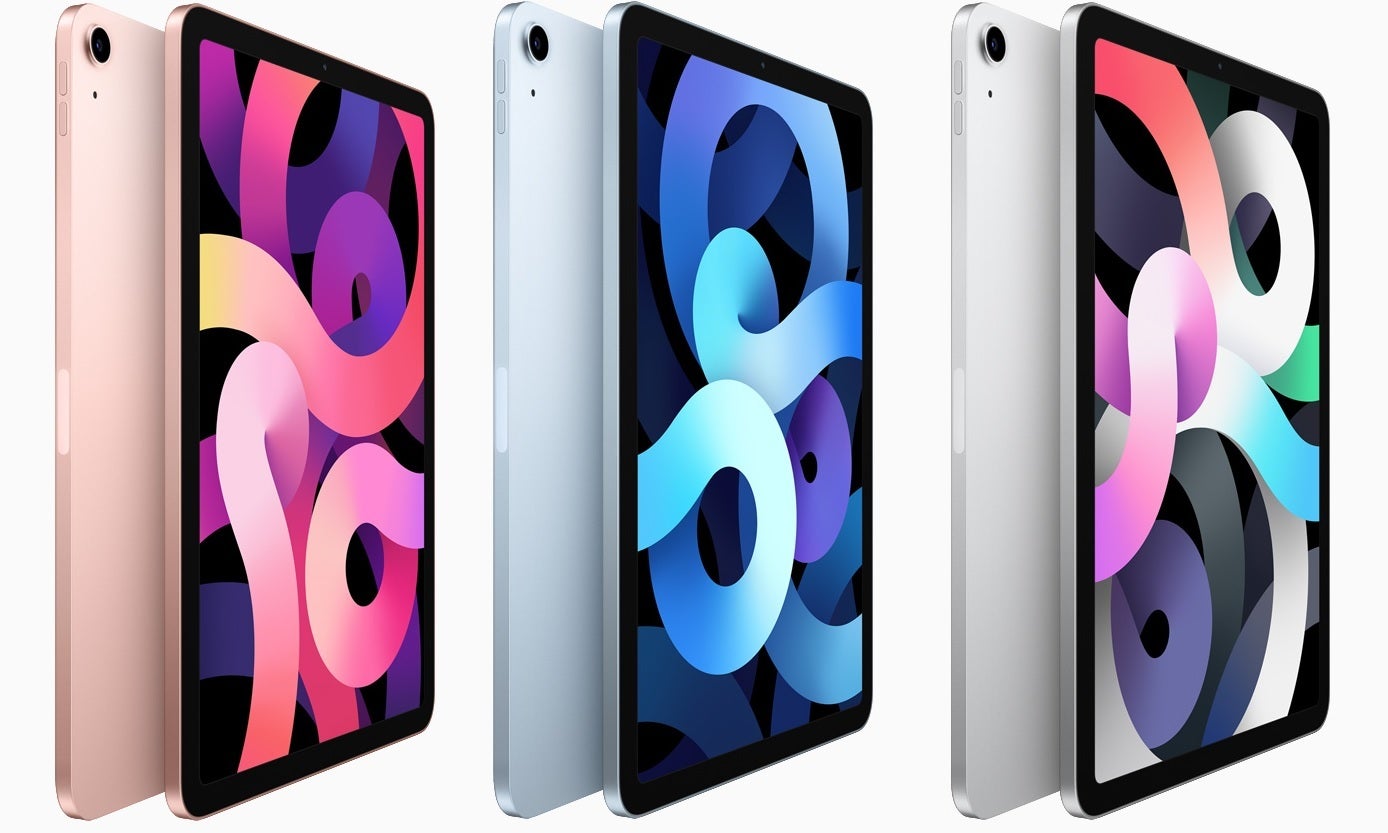
- Entry-level iPad: Upgrading to the A18 chip, bringing Apple Intelligence support to Apple’s most affordable tablet
- iPad Air: Jumping to the M4 processor
- iPad mini: Moving to an OLED display, its most notable hardware change
Aside from the mini’s screen upgrade, Gurman suggests broader design updates are unlikely. The strategy seems clear: improve performance and AI capabilities without overhauling form factors.
M5 Macs Are Next
On the Mac side, Apple is preparing to roll out the M5 generation.
Expected launches include:
- 14-inch and 16-inch MacBook Pro (M5 Pro / M5 Max)
- Updated MacBook Air models
- New Mac mini and Mac Studio desktops
- A refreshed Studio Display (likely same design)
These launches are tied to the macOS 26.3 release cycle, with a possible debut as early as the week of March 2.
The M5 transition completes the next stage of Apple’s silicon roadmap, keeping pressure on competitors in performance-per-watt and AI acceleration.
A New Low-Cost MacBook Category
Perhaps the most intriguing near-term addition is an entirely new Mac category.
Apple is reportedly finalizing a low-cost MacBook that:
- Features a screen smaller than 13 inches
- Runs on an iPhone-class chip rather than an M-series processor
- Targets education and budget buyers
This device would compete more directly with Chromebooks and low-end Windows laptops, giving Apple a lower entry point into the macOS ecosystem without cannibalizing the MacBook Air.
Late 2026: Even Bigger Moves
While the first half of 2026 focuses on refinements, the second half could bring major innovation.
Expected later in the year:
- iPhone 18 Pro and Pro Max
- Apple’s first foldable iPhone
- A redesigned MacBook Pro with an OLED touchscreen
The touchscreen MacBook Pro would represent a philosophical shift. Apple resisted touch input on Macs for years, but competitive pressure and evolving workflows appear to be changing that stance.
A Year of Transition
The pattern is clear:
- Early 2026: Internal upgrades and silicon transitions
- Late 2026: New form factors and category expansion
Apple seems intent on strengthening its foundation first—improving chips, AI support, and entry-level devices—before rolling out more radical hardware later in the year.
If these reports hold, 2026 won’t just be busy. It could reshape multiple corners of Apple’s lineup at once.